

Exclusive 20% Off for New Customers
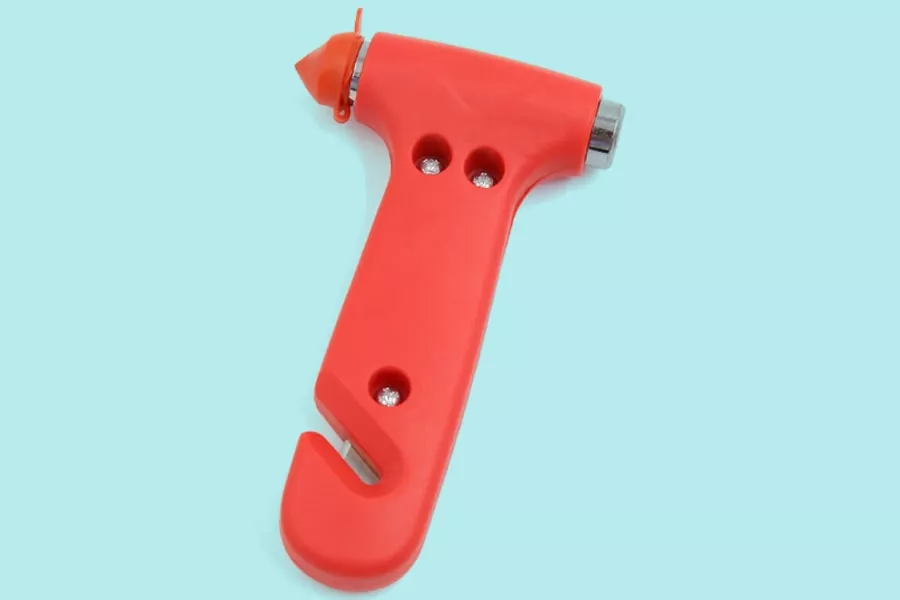
Business premises are exposed to numerous safety hazards on a daily basis. Nevertheless, broken glass in cases of emergency is still among the most neglected hazards. Storefronts and office buildings are very dependent on glass when it comes to visibility and design. However, in a case where there are emergencies, people may get trapped by glass. Emergency glass breakers are, therefore, very important in the planning of commercial safety.
Fast exits are provided by emergency glass breakers in case of door failures. They also minimize panic in case of emergency. Above all they save lives. Due to the time issues, all commercial spaces ought to know how to utilize them and where.
Why Emergency Glass Breakers Matter in Commercial Spaces?
To begin with, crises occur unexpectedly. Normal exits can be blocked by fires, power failure and security threats. Glass doors and windows are blocked in such instances. Emergency glass breakers solve this problem instantly.
Additionally, modern tempered glass resists impact. While this improves security, it makes manual breaking difficult. Emergency tools apply focused force. As a result, glass shatters quickly and safely.
Moreover, commercial buildings host many people daily. Office staff, customers, and visitors need reliable exit options. Emergency glass breakers support crowd safety and reduce injury risks.
Common Emergency Situations Requiring Glass Breakers
Several scenarios demand fast glass access. For example, fires can warp metal doors. Similarly, electrical failures can lock automated systems. Emergency glass breakers ensure exits remain accessible.
Additionally, security threats may require quick evacuation. In such moments, hesitation costs lives. Glass breakers remove delays and restore movement.
Weather events also create risks. Storms or earthquakes may block standard exits. However, emergency glass breakers offer alternate escape routes through windows or partitions.
Types of Emergency Glass Breakers for Commercial Use
Commercial environments require durable tools. Handheld emergency glass breakers remain the most common option. They are compact, effective, and easy to store.
Spring-loaded breakers work well in high-stress moments. They require minimal strength. Therefore, anyone can use them quickly.
Wall-mounted glass breakers provide even faster access. These tools stay visible and ready. Businesses often place them near exits or large glass panels.
Some modern systems integrate alarms. When used, they alert staff and emergency responders. This feature adds an extra layer of safety.
Where to Install Emergency Glass Breakers
Placement matters as much as availability. Storefronts should install breakers near glass doors and display windows. Visibility helps people act without confusion.
Office buildings should place them near stairwells and emergency exits. Break rooms and common areas also benefit from easy access.
Additionally, parking structures with glass enclosures need emergency tools. Elevator areas often require them as well.
During safety planning, professional guidance helps. Many businesses consult experts like Best Offer Glass to assess proper locations and compliance needs.
Training Staff for Proper Use
Tools alone do not guarantee safety. Training makes the difference. Employees should know when and how to use emergency glass breakers.
Short drills improve confidence. Clear instructions reduce panic. Visual signage also helps guide action.
Furthermore, training should explain safe striking points. Hitting glass corners works best. Proper technique reduces flying debris risks.
Regular refreshers keep knowledge current. Staff turnover makes repeated training essential. When everyone understands the tool, response times improve.
Maintenance and Compliance Considerations
Emergency glass breakers need regular inspection. Damaged or missing tools create false security. Therefore, routine checks are necessary.
Local building codes may also apply. Many regions require emergency exit tools in commercial spaces. Compliance protects businesses from liability.
Moreover, insurance providers often review safety measures. Having glass breakers can support claims and risk assessments.
Professional glass service providers can help with inspections. They ensure tools meet safety standards and remain functional.

Choosing the Right Glass for Safer Breakage
Not all glass behaves the same. Laminated glass holds together when broken. Tempered glass shatters into small pieces.
Understanding your glass type helps choose the right breaker. Some breakers work better on tempered glass. Others suit laminated panels.
Upgrading glass may also improve safety. Some storefronts combine safety glass with break-access systems. This balance improves security and emergency readiness.
Creating a Complete Emergency Glass Plan
Emergency glass breakers work best within a full safety plan. Clear exit maps guide people toward tools. Lighting ensures visibility during power loss.
Coordination with fire alarms enhances response speed. Emergency communication systems also help manage evacuations.
Businesses should review plans annually. Changes in layout or occupancy affect safety needs. Consistent updates keep systems effective.
A comprehensive approach protects people and property. It also demonstrates responsibility and preparedness.
Final Thoughts on Commercial Glass Safety
Emergency glass breakers are small tools with big impact. They turn barriers into exits when seconds matter most. Storefronts and office buildings should never overlook them.
From placement to training, every detail counts. Proactive planning reduces risks and builds confidence. Most importantly, it saves lives.
For professional guidance, reliable glass solutions, and emergency safety support, trust Best Offer Glass to help secure your commercial space.
Recent Posts
- storefront glass repair san francisco bay area
- The Most Common Storefront Glass Issues Business Owners Face After Winter
- What to Expect Before Installing Office Interior Glass Walls in Your Workspace
- Is It Time to Replace Your Storefront Glass? Signs Business Owners Often Ignore
- Why Commercial Glass Upgrades Are Becoming a Priority for Growing Businesses
- How Quick Storefront Glass Repair Helps Prevent Customer Loss
- The Hidden Risks of Delaying Curtain Wall Repairs for Commercial Properties
- Custom Storefront Glass Installation for Modern Retail and Offices
- Upgrade Your Business Image with Professional Storefront Glass Replacement
- Why More Commercial Buildings Are Switching to Modern Curtain Wall Systems
Save 20% on Glass Repair & Installation
Get your exclusive discount code by filling the form below. Use it on your first service and start saving today.

Join Our Newsletter
Office Timings
- Sunday-Monday: Closed
- Tuesday-Thursday: 10:00am - 6:00pm
- Friday and Saturday: 10:00am - 3:00pm

©2026 Best Offer Glass. Lic # 1106427
Crafted with DigiCorns
Get a FREE Consultation!
Call Us at (415) 310-6948 NOW
to be connected to one of our experts!