

Exclusive 20% Off for New Customers
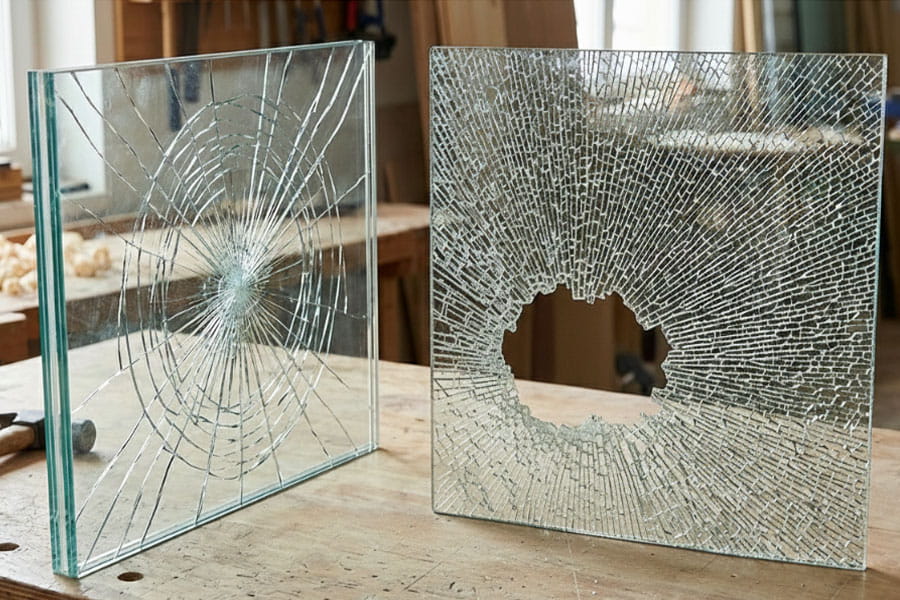
Glass windows often get chosen last during construction or renovation. However, the characteristics of glass have a significant impact on safety, durability, and long-term performance, which most people do not realize. The differences between tempered glass and regular glass are not limited only to thickness or price; they influence the ambience of space and its reactions in case of mishaps.
Best Offer Glass frequently works with property owners who wish this choice had been clearer earlier. Learning the differences now helps avoid replacement costs and safety concerns later.
How Regular Glass is Created
The making of regular annealed glass begins with basic materials. Sand, limestone, and soda ash are mixed and then subjected to extremely high temperatures which lead to their melting into a liquid. After the glass has been formed, it is then allowed to cool down gradually. This stage is known as the annealing process.
The slow cooling process removes internal tension. While this prevents warping, it does not add strength. Regular glass remains vulnerable to impact, pressure, and temperature changes.
When failure occurs, the danger becomes clear. Broken glass from regular panes forms sharp edges and long shards. These pieces increase injury risk during cleanup or accidental contact. Because of this behavior, building codes require limits on where regular glass can be installed.
What Makes Tempered Glass Different
Tempered glass follows the same early steps as regular glass. The key difference appears later. After forming, the glass reheats to extreme heat and then cools rapidly in a process called quenching.
This rapid cooling alters the internal structure. The result is toughened glass that handles stress far better. Many professionals describe it as stronger than regular glass and often times stronger than regular glass used in similar thickness.
Most importantly, a tempered glass pane will break into tiny, rounded fragments that scatter. It is this pattern that greatly minimizes the risk of serious injury. Thus, tempered glass is classified as a type of safety glass.
Safety Differences That Matter in Real Spaces
Safety drives most glass decisions today. Regular glass reacts unpredictably when stressed. One impact or sudden temperature change can lead to sharp fragments.
Tempered glass behaves with intention. Stress distributes across the surface. If failure occurs, the glass breaks into pieces designed to limit harm.
This safety advantage explains why building codes require tempered glass in many areas, including:
- Entry doors and sliding doors
- Bathroom windows and shower panels
- Storefront windows and display cases
- Large windows near walking paths
- Commercial interiors open to the public
In these spaces, injury prevention matters. Choosing safety glass protects people while reducing liability.
Strength and Everyday Durability
Strength matters long before glass ever breaks. Regular glass tolerates limited pressure. Over time, daily vibrations, building movement, and weather changes increase stress.
Tempered glass is stronger because it handles these forces more evenly. It resists bending and impacts better than regular panes. This strength supports larger window sizes and open designs without sacrificing safety.
For commercial settings, durability reduces maintenance interruptions. For homes, it adds confidence that windows will last longer under normal use.
Real Use Cases That Show the Difference
Consider a storefront with floor to ceiling windows. Regular glass may lower upfront costs. One accidental impact from equipment or a closing door can shatter the panel. Cleanup delays business operations and creates safety concerns.
Tempered glass changes the outcome. The glass absorbs more impact. If damage occurs, cleanup becomes safer and faster. Rounded fragments replace sharp shards.
Office interiors offer another example. Glass partitions experience constant movement around them. Using regular glass increases risk over time. Tempered glass provides protection while meeting safety expectations.
These everyday scenarios show why professionals often recommend tempered glass even when optional.
Cost Considerations Beyond the Initial Price
Regular glass costs less at purchase. That lower price attracts many buyers. However, replacement costs, cleanup time, and injury risk can quickly outweigh early savings.
Tempered glass costs more because of the added tempering process. Yet it often delivers better value over time. Fewer failures, improved safety, and code compliance reduce long term expenses.
For residential properties, safer windows support resale appeal. For businesses, safety compliance protects both people and reputation.

Choosing the Right Glass for Each Location
Both glass types serve specific purposes. Matching the glass to space prevents future problems.
Regular glass works best for:
- Decorative interior panels
- Picture frames
- Low impact enclosed areas
Tempered glass fits better in:
- Windows near floor level
- Doors and entry systems
- Bathrooms and wet areas
- Public facing commercial spaces
- Locations where safety matters
Understanding placement matters as much as choosing the glass itself.
Why Professional Guidance Helps
Glass selection involves more than appearance. Performance depends on material behavior under stress. Professionals understand how high temperatures, surface tension, and installation methods affect durability.
Best Offer Glass evaluates each project carefully. Their recommendations align with safety standards and real-world use. This approach ensures installations remain reliable over time.
Time to Make the Right Glass Choice!
The comparison between tempered glass vs regular glass comes down to safety, strength, and long-term value. Regular glass is the right choice for limited uses only. Tempered glass provides stronger performance and safer outcomes when damage occurs.
For windows, doors, and high traffic areas, tempered glass is stronger and often required by modern standards. Making the right choice early prevents injury, expense, and replacement issues.
Best Offer Glass helps ensure each glass installation meets both safety expectations and daily demands. The right glass choice quietly protects people while supporting comfortable, functional spaces every day.
Recent Posts
- storefront glass repair san francisco bay area
- The Most Common Storefront Glass Issues Business Owners Face After Winter
- What to Expect Before Installing Office Interior Glass Walls in Your Workspace
- Is It Time to Replace Your Storefront Glass? Signs Business Owners Often Ignore
- Why Commercial Glass Upgrades Are Becoming a Priority for Growing Businesses
- How Quick Storefront Glass Repair Helps Prevent Customer Loss
- The Hidden Risks of Delaying Curtain Wall Repairs for Commercial Properties
- Custom Storefront Glass Installation for Modern Retail and Offices
- Upgrade Your Business Image with Professional Storefront Glass Replacement
- Why More Commercial Buildings Are Switching to Modern Curtain Wall Systems
Save 20% on Glass Repair & Installation
Get your exclusive discount code by filling the form below. Use it on your first service and start saving today.

Join Our Newsletter
Office Timings
- Sunday-Monday: Closed
- Tuesday-Thursday: 10:00am - 6:00pm
- Friday and Saturday: 10:00am - 3:00pm

©2026 Best Offer Glass. Lic # 1106427
Crafted with DigiCorns
Get a FREE Consultation!
Call Us at (415) 310-6948 NOW
to be connected to one of our experts!