

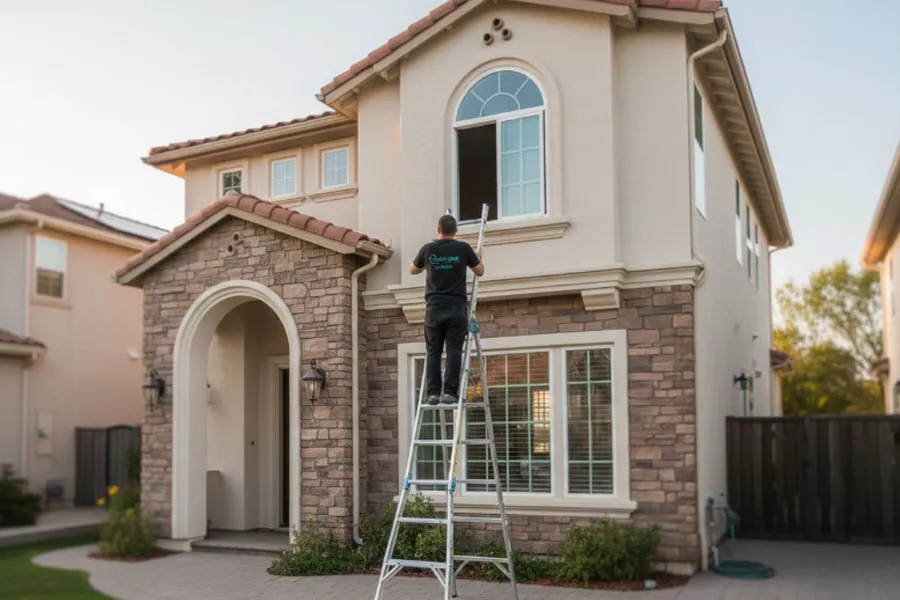
Old windows rattle in the wind, welcome drafts, and make your house look worn out. Replacement of residential windows feels like a big job, but it really pays off. New energy efficient windows decrease heating and cooling bills, don’t let the street noise reach your ears, and give the whole place a fresh face. This guide breaks the window replacement process into bite-size pieces so any homeowner can follow along, whether going with full frame replacement windows or the faster insert windows.
Why Replace Your Home’s Windows Now?
Drafty windows make the furnace and air conditioner work harder. According to the U.S. Department of Energy, windows are responsible for 25 to 30% of a home’s heating and cooling losses. New window replacements stop that waste fast. Plus, fresh windows instantly improve your home value and comfort. Many homeowners notice the difference on the same day the job finishes.
Choose the Right Type of Windows
Initially, you have to choose from the two main routes. Full frame replacement windows mean getting rid of the existing window entirely, including the frame, and fitting a new unit. This choice is ideal for the houses having rotted wood or when there is a need to adjust the window opening size.
On the other hand, insert windows slide into the existing window frames without touching the surrounding trim or siding. Homeowners love this method because it goes faster and costs less. It fits perfectly when the current frames stay solid and level and square.
There are several types of windows out there and the double-hung, casement, sliding window picture as well as bay styles are some of the most common. Look at how you want each sash to operate relative to the amount of ventilation the room would need. For optimal energy performance, you should specify the Low-E glass with argon-filled units.
Step 1: Gather Tools and Materials
A smooth replacement project starts with the right gear. Homeowners need these basics:
- Pry bar and putty knife.
- Hammer and nail set.
- Tape measure and level.
- Caulk gun and exterior-grade caulk.
- Backer rod and low-expansion spray foam.
- Shims and screws.
- Safety glasses and gloves.
Keep everything handy before the first old window comes out.
Step 2: Measure Carefully, Then Measure Again
Accurate measurements decide everything. Open the window and measure width at the top, middle, and bottom. Write down the smallest number. Do the same for height on the left, center, and right. Take the smallest again. Note the depth from drywall to siding. One tiny mistake means weeks of waiting for the right size.
Step3: Clear the Room and Protect Floors
Move furniture at least three feet back. Pull down blinds and curtains. Spread heavy canvas drop cloths. Dust will fly, so tape plastic over doorways if the room connects to the rest of the house.
Step 4: Take the Old Window Out Without Wrecking Walls
Start inside. Score paint lines with a razor knife. Gently pry interior stops loose and pull the window sash free. Head outside next. Cut caulk beads around the frame. Work a pry bar or reciprocating saw under the old jambs. Ease everything out in one piece when possible. For insert windows, only the sashes and interior stops come off; the frame stays put.
Step 5: Clean the Opening and Fix Surprises
Scrape away old caulk and loose paint. Vacuum dust and debris. Look hard for soft spots or water stains. Replace rotted wood now while everything stands open. A solid opening lets the new window last decades.
Step 6: Test-Fit Before Any Caulk Touches Anything
Set the new window in place dry. Eye the gaps all around. They should stay even and under half an inch. Wiggle the unit to be sure it sits straight. Pull it back out if something feels tight. Fixing fit problems now beats fighting later.
Step 7: Seal and Insulate the Right Way
Stuff backer rod into gaps bigger than a finger width. Run a fat bead of caulk along the blind stop or nailing fin. Tilt the window in from the bottom and swing the top into place. Fill side and top cavities with low-expansion spray foam. Go easy; too much foam pushes the frame out of shape.
Step 8: Shim, Level, and Screw It Home
Slide shims behind every pre-drilled hole in the jamb. Check level and plumb in both directions. Measure corner to corner; the numbers must match within an eighth of an inch. Drive screws snug but not crazy tight. Over-tightening bows the jamb and the window sticks forever.
Step 9: Work the Window a Dozen Times
Raise, lower, slide, or crank the sash over and over. It should glide like butter. Lock it, unlock it, tilt it in if it tilts. Adjust shims tiny bits until everything feels perfect. This step takes patience, but smooth operation makes the whole replacement project worth it.
Step 10: Finish the Inside Neat and Clean
Nail new interior stops in place or reuse the old ones if they are in good condition. Squirt a thin line of paintable caulk where jamb meets drywall. Wipe excess right away for a crisp edge. Sand and paint or stain trim to match the room.
Step 11: Wrap Up the Outside
Flash the top flange with self-adhesive tape if the directions call for it. Caulk the perimeter but leave weep holes at the bottom clear. Snap brick mold or exterior casing back on. Touch up siding paint so nothing looks patched.
Step 12: Clean Glass and Step Back
Peel all stickers off the new glass. Wipe inside and out with vinegar water. Stand on the lawn and look up. The house already looks newer and brighter.
Common Mistakes to Avoid while Residential Window Replacement
Rushing measurements leads to wrong-sized windows. Skipping insulation wastes energy savings. Overtightening screws warps frames. Forgetting to check squares causes binding sashes. Taking time on each step pays off for years.

When to Call Professional Window Installation Providers
Some projects are perfect for confident DIY homeowners. Others need expert hands. Large second-story windows, custom shapes, or homes with stucco or brick exteriors often benefit from professional window installation. The crew finishes faster and handles surprises smoothly.
Ready to Transform Your Home?
New windows change everything. Lower bills arrive quickly. Comfort improves instantly. Curb appeal jumps overnight. Homeowners deserve that upgrade.
Best Offer Glass makes the journey simple and affordable. The team handles every detail from perfect measurements to flawless installation. Homeowners relax while experts deliver stunning results. Contact Best Offer Glass today for a free quote!
Recent Posts
- When to Replace a Tempered Glass Window Instead of Repairing It
- Storefront Glass Replacement and Building Safety: Why Timing Matters
- Balcony Glass Doors Explained: Design Options, Safety, and Practical Benefits
- Why Same-Day Service Matters When Dealing with a Broken Office Window
- Common Sliding Glass Door Problems and How Professionals Fix Them
- Why Every Commercial Property Needs an Emergency Glass Breaker for Safety Preparedness
- Rain Glass Doors vs Clear Glass Doors: Which Is Better for Privacy and Light?
- Single Pane vs Double Pane Windows: What Homeowners Need to Know
- How Failed Seals Affect Double Pane Windows and What Replacement Solves
- Balcony Glass Door Safety Features Every Property Owner Should Know
Enquiry Now

Join Our Newsletter
Office Timings
- Sunday-Monday: Closed
- Tuesday-Thursday: 10:00am - 6:00pm
- Friday and Saturday: 10:00am - 3:00pm

©2026 Best Offer Glass. Lic # 1106427
Crafted with DigiCorns
Get a FREE Consultation!
Call Us at (415) 310-6948 NOW
to be connected to one of our experts!